Most companies treat HR compliance like a library. They write a handbook, put it on a shelf, and hope nobody ever has to look at it. They think that as long as they have a policy for FMLA or a folder for OSHA logs, they are "compliant."
This is a dangerous mistake.
In high-stakes industries like manufacturing, logistics, and construction, HR compliance is not a document. It is an event.
An injury happens on the floor. An employee asks for time off to care for a sick parent. A supervisor hears a complaint about harassment. These are not just "files" to be stored. These are events that create obligations, deadlines, handoffs, and operational risk.
A workplace investigation is not a document management problem. It is a workflow management problem. FMLA is not a leave problem. It is an operational coordination problem.
If you are running a high-stakes operation with 50 to 1,500 employees, you do not need a digital filing cabinet. You need a better way to move work and close loops.
What is HR compliance software?
HR compliance software helps employers manage the workflows created by workforce events and regulatory processes. That includes intake, documentation, ownership, communication, follow-up, deadlines, and audit trails.
The key difference is this: document storage keeps records. Workflow-oriented HR compliance software helps the right people review, route, act, and confirm that the work is actually done. In practice, that is the difference between passive compliance management software and active compliance operations.
Why the "Handbook Approach" Failed
The old way of managing HR relied on passive compliance. You had a set of rules, and you reacted when something went wrong. But the modern workplace has outpaced the human ability to keep up with spreadsheets, inboxes, paper forms, and memory.
Think about what happens when a worker gets hurt on a Friday afternoon.
- The Safety Manager takes a report.
- The Operations Lead scrambles to cover the shift.
- The HR Director hears about it on Monday.
- The Insurance Carrier wants a form.
If any one of these people misses a handoff, a loop stays open. And unclosed loops are where risk grows.
Under OSHA's severe injury reporting rule at 29 CFR 1904.39, covered work-related fatalities generally must be reported within 8 hours, while covered work-related in-patient hospitalizations, amputations, and losses of an eye generally must be reported within 24 hours, subject to the rule's requirements and exceptions. If your process depends on an email that might get buried, you have a workflow problem.
Documentation does not equal process. Storing a medical certification in a folder does not ensure you met the employer notice requirements in 29 CFR 825.300 when the employer acquires knowledge that leave may be for an FMLA-qualifying reason. Policies matter. Records matter. But neither one routes work, assigns ownership, tracks dependencies, or confirms completion.
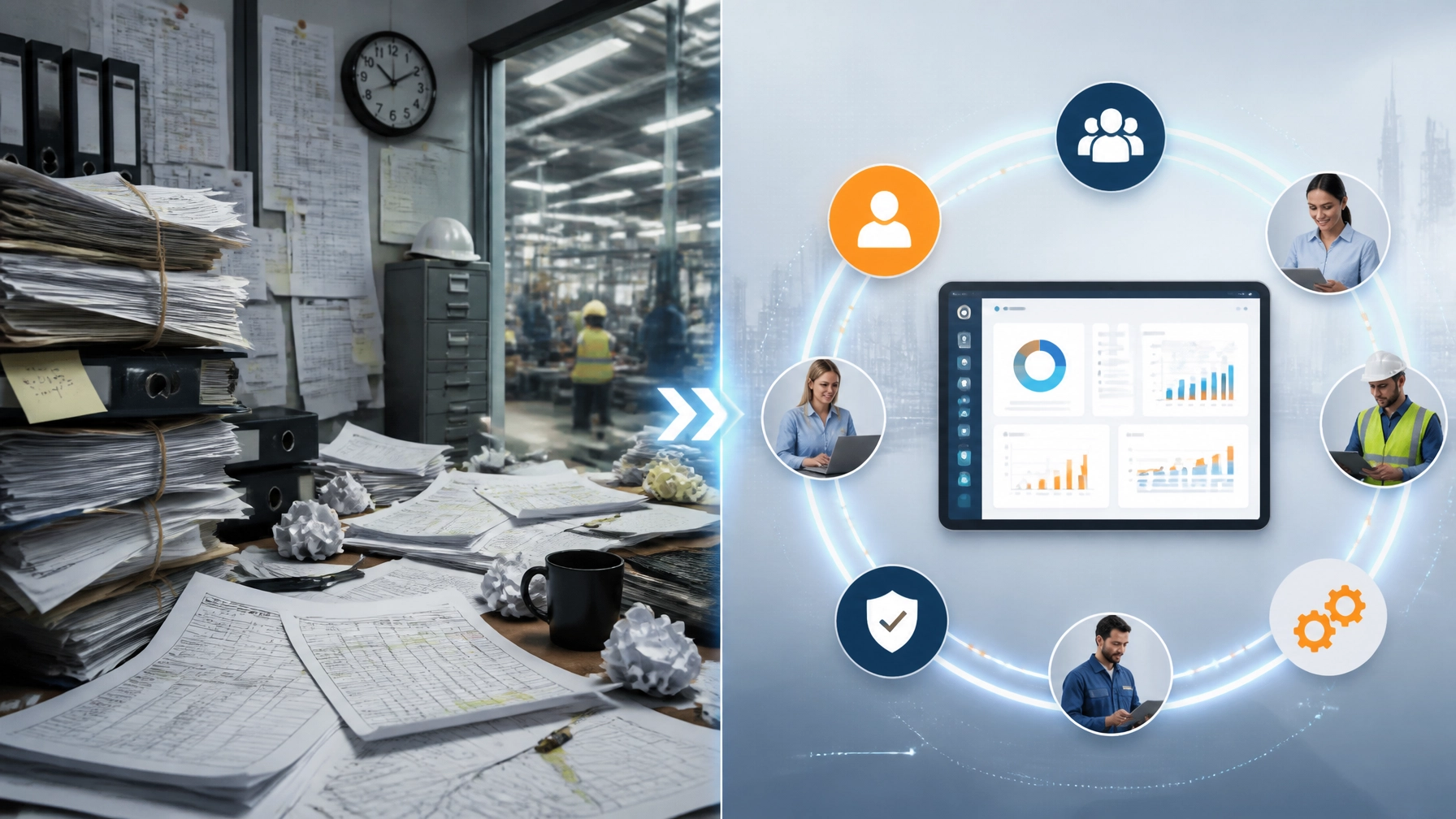
The 3 Pillars of an HR Operating System
To move from reactive to operational, your HR compliance software should be built on three pillars: Intake, Visibility, and Resolution.
1. Intake: Capturing the Event at the Source
Important workforce events often begin outside HR.
An injury is reported to a supervisor.
A medical absence is mentioned before a shift.
A worker asks for a change to the job.
A complaint is raised informally.
A near miss report comes off the production floor.
That does not mean every signal automatically creates a legal obligation. It means the organization needs a reliable way to capture and route the signal for the right review.
This matters for accommodation workflows too. Under EEOC guidance, an employee does not need to use legal terminology to communicate a need for a workplace change under the PWFA or the ADA reasonable accommodation process. Recognition and routing matter. Intake should not depend on whether a supervisor hears the right buzzwords.
Intake also should not begin three days later in the HR office. It should be accessible where work actually happens, including deskless environments, through a structured HR compliance workflow that helps supervisors and managers route the issue without expecting them to become HR experts.
2. Visibility: Breaking the Silos
In manufacturing, HR, Safety, and Operations are often working from different systems. Safety may be tracking OSHA records. HR may be tracking leave and employee relations. A carrier may be handling claim activity in a separate portal. Context gets fragmented.
The problem is not that every HRIS is bad. It is that most HRIS platforms are designed around employee records, payroll, benefits, and core transactions. Specialized compliance operations involve event-driven workflows, cross-functional handoffs, outside stakeholders, and related context that often lives somewhere else.
What teams need is not universal visibility. It is permissioned visibility.
The right context should reach the right people at the right point in the workflow.
That may include shared event timelines, role-appropriate access, and cross-functional awareness where appropriate. If a worker is on restricted duty, there may also be related leave, accommodation, workers' compensation, or return-to-work implications worth reviewing. InfraNet complements those existing systems by connecting operational context, not by replacing the systems of record.
3. Resolution: Closing the Loops
Many compliance failures begin with an open loop: an event was recognized, but the next action, owner, deadline, or handoff was lost.
- You received the doctor's note (Intake).
- You surfaced the deadline and the related context (Visibility).
- Did the right person actually complete the next step? (Resolution).
Resolution means the system helps make deadlines visible, assign ownership, send reminders, escalate unresolved work, track dependencies, preserve audit trails, and confirm when a workflow is actually complete.
Humans still make decisions. Humans still carry legal responsibility. The platform helps the work move.
Event-Driven Intelligence vs. "Whack-a-Mole"
Most HR teams spend their days playing Whack-a-Mole. A problem pops up, they hit it, and then they wait for the next one.
Event-driven compliance changes the frame. In this model, the system helps people see the relationship between events, obligations, owners, and follow-up.
Take a near miss. A near miss should not trigger a hunt for blame by default. It should trigger better review.
A near-miss reporting and root-cause review process may surface questions about equipment condition, maintenance, training, fatigue, staffing, production pressure, process design, supervision, environmental conditions, or recurring patterns across similar events. Sometimes it may connect to a workplace investigation. Sometimes it may not. The point is learning, context, prevention, and follow-through.
This is what closed-loop, event-driven compliance looks like in practice. An event comes in. The right people review it. Related workflows become visible where appropriate. Owners are clear. Open work gets followed through.
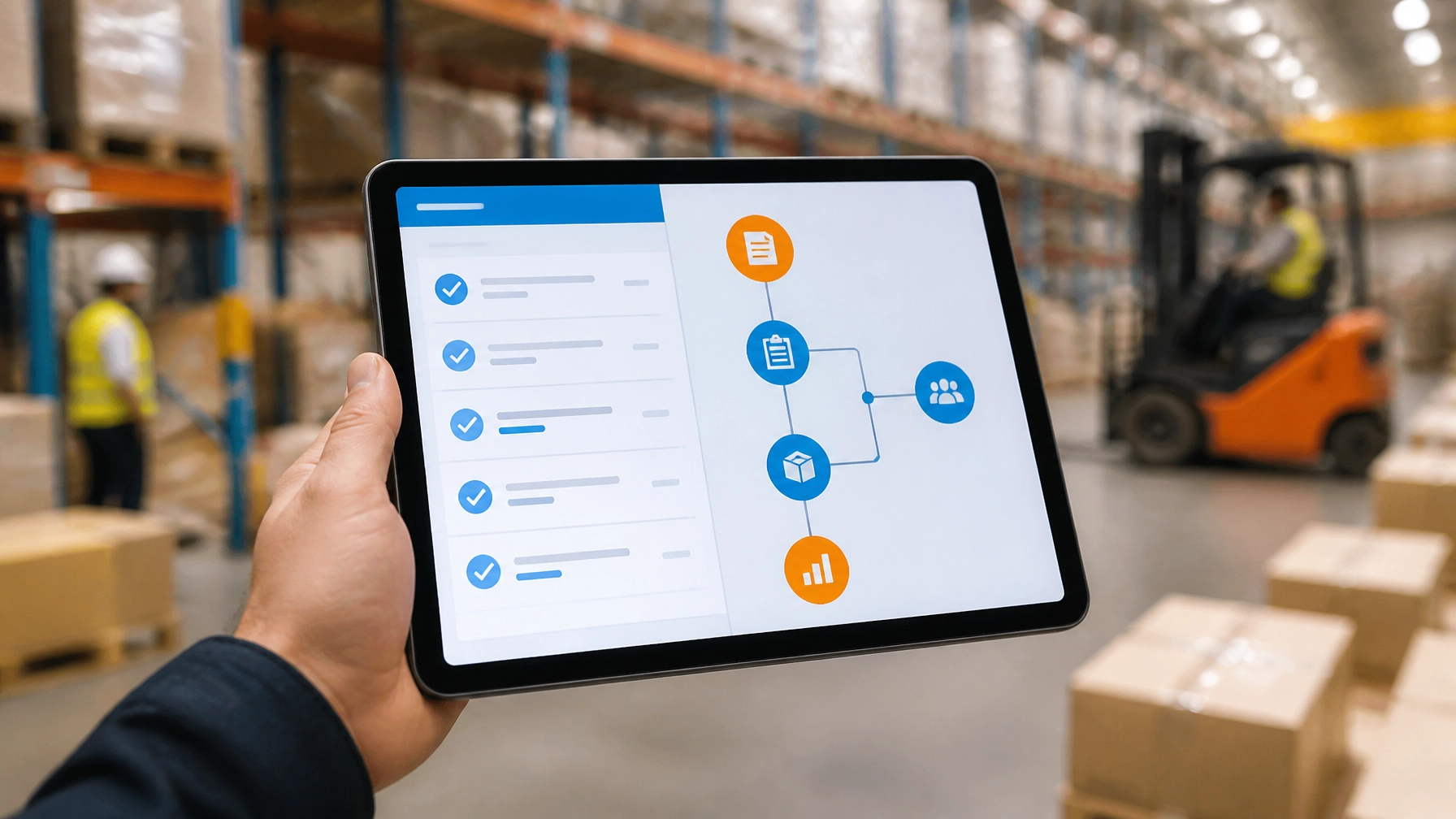
The Cost of the Status Quo: Fragmented Silos
If your compliance work is spread across an HRIS, an EHS tool, a carrier portal, a leave system, spreadsheets, inboxes, paper forms, and outside stakeholders, you are likely operating in silos.
That does not mean your HRIS is the problem. Most HRIS platforms are built for employee records, payroll, benefits, and core transactions. Specialized compliance management software and HR compliance workflow needs are different. They involve event-driven intake, investigations, deadlines, outside parties, and cross-functional handoffs.
Here is what the status quo costs you:
- Chronology gaps: If an employee raises a concern and a later employment action needs review, connected, permissioned timelines can help authorized reviewers examine chronology, supporting documentation, decision-making consistency, and other risk signals. Software does not determine retaliation. It helps preserve context for review.
- OSHA recordkeeping confusion: OSHA makes a clear distinction between the OSHA 300 Log, OSHA 301 Incident Report, and OSHA 300A annual summary. Individual recordable cases are entered on the 300 Log. The 301 captures case details, or an equivalent form may be used if it meets OSHA requirements. The 300A is the annual summary.
- Intermittent Leave Coordination problems: Without accurate FMLA leave management, employers struggle with usage tracking, certification parameters, frequency and duration, schedule impact, appropriate follow-up, and recertification where permitted and appropriate.
InfraNet's position is not that employers need one giant system that replaces everything else. It is that they need an operational layer that helps connect related workforce events, preserve permissioned visibility, and keep work from dying in the handoff.
Moving to an OS Model for 2026
An HR software for manufacturing and other high-stakes environments needs to do more than store records.
Your team has the expertise. InfraNet helps create the bandwidth.
That means an operational layer that helps people see ownership, deadlines, dependencies, related context, and unresolved work across workflows such as OSHA incident reporting software, FMLA management and the FMLA Loop, fragmented HR data and permissioned visibility, workplace investigations, and institutional knowledge.
What an OS Model looks like in practice:
- Automated Deadline Tracking: When an employer acquires knowledge that leave may be for an FMLA-qualifying reason, the signal can be captured and routed so the right person can evaluate notice obligations under 29 CFR 825.300. The platform does not determine eligibility. It helps make the next action visible.
- Cross-Department Awareness: If a safety incident occurs, the right HR or operational owner can be prompted to review whether related workflows may exist, such as workers' compensation, leave, return-to-work, or ADA accommodations.
- Audit Trails: Every action, communication, handoff, and follow-up can be preserved in a documented timeline. That matters for continuity, consistency, and later review.
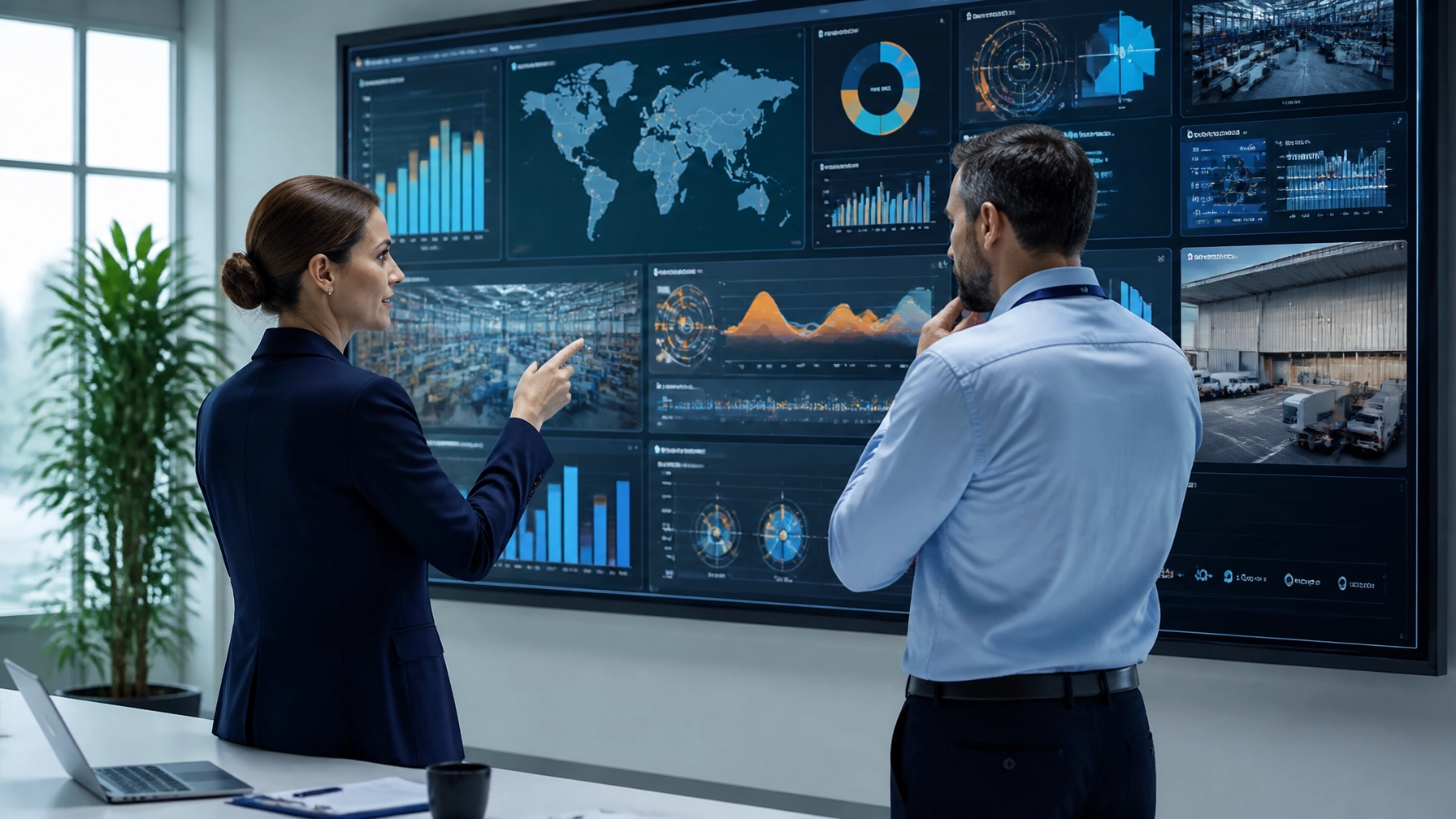
Practical Takeaways for HR Directors:
- Stop buying storage; start buying workflow. Documentation matters, but documentation does not equal process.
- Audit your manual handoffs. Where does information get delayed, re-entered, or lost between the floor, the supervisor, HR, Safety, Operations, and outside stakeholders?
- Make intake accessible to deskless environments. If reporting depends on someone getting back to a desk, delays become much more likely.
- Train supervisors to recognize and route signals. They do not need to become FMLA, ADA, PWFA, or employee relations experts. They need to know when and how to escalate.
- Maintain clear next actions and ownership. If no one owns the next step, the loop is still open.
- Connect related workforce events when appropriate. That is how you support operational continuity instead of treating each event as isolated.
- Preserve permissioned context and audit trails. The right people should be able to review what happened, when it happened, what was done, and what is still waiting.
- Review open workflows regularly. Open workers' compensation, leave, investigations, accommodations, and employee relations matters should have visible status, ownership, and follow-up.
Compliance is not a chore you finish. It is part of how you run the operation. The real problem is often not a missing policy. It is work that started somewhere, crossed a boundary, and lost ownership or context before the loop was closed.